Progressive Jackpot Slots Explained – How They Work

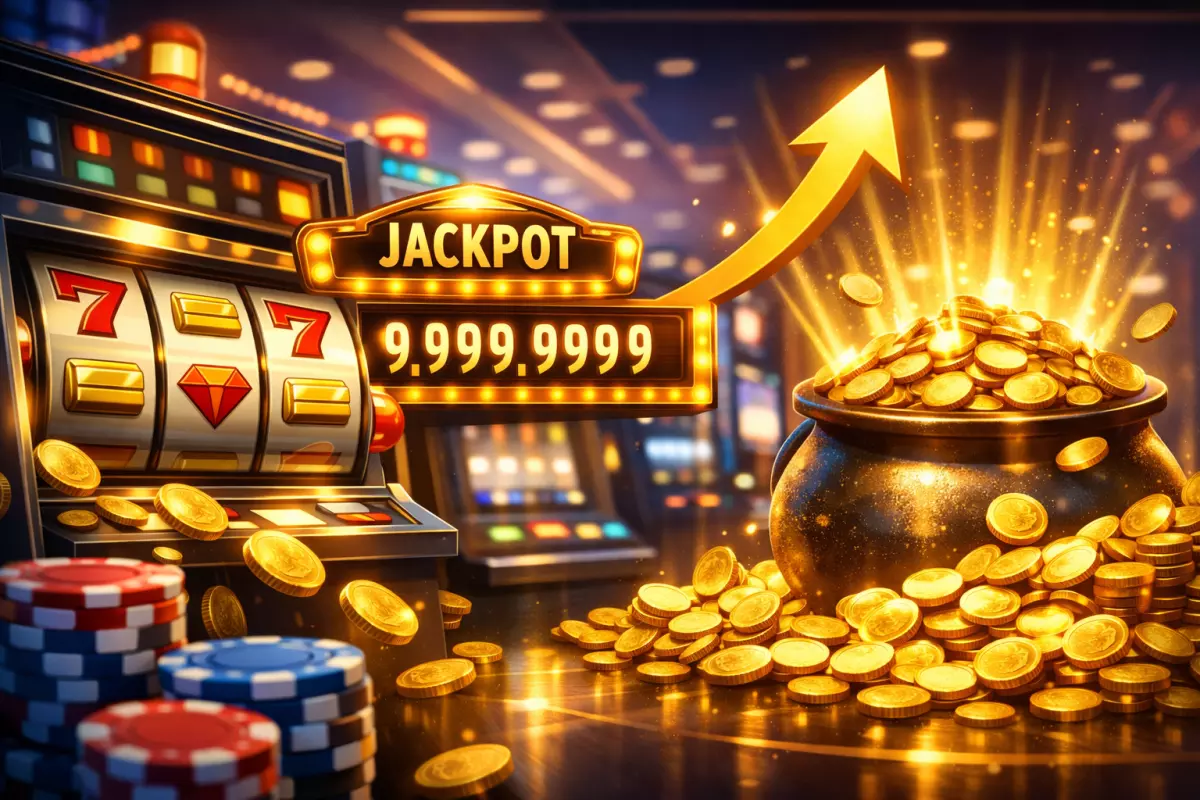 Covers what progressive jackpot slots are, how jackpots grow as players contribute to shared pools, the main types, and how payouts are triggered. Also explains the odds of hitting one, highlights famous progressive slots, and gives practical tips for playing.
Progressive jackpot slots may resemble regular games, but their prize pool increases with every spin on a single machine or across a linked network. To improve your chances at the top payout, learn how each bet contributes, which wager sizes qualify, and what symbols or features trigger the win. This guide explains what grows the jackpot and what can influence your odds.
What progressive jackpot slots are
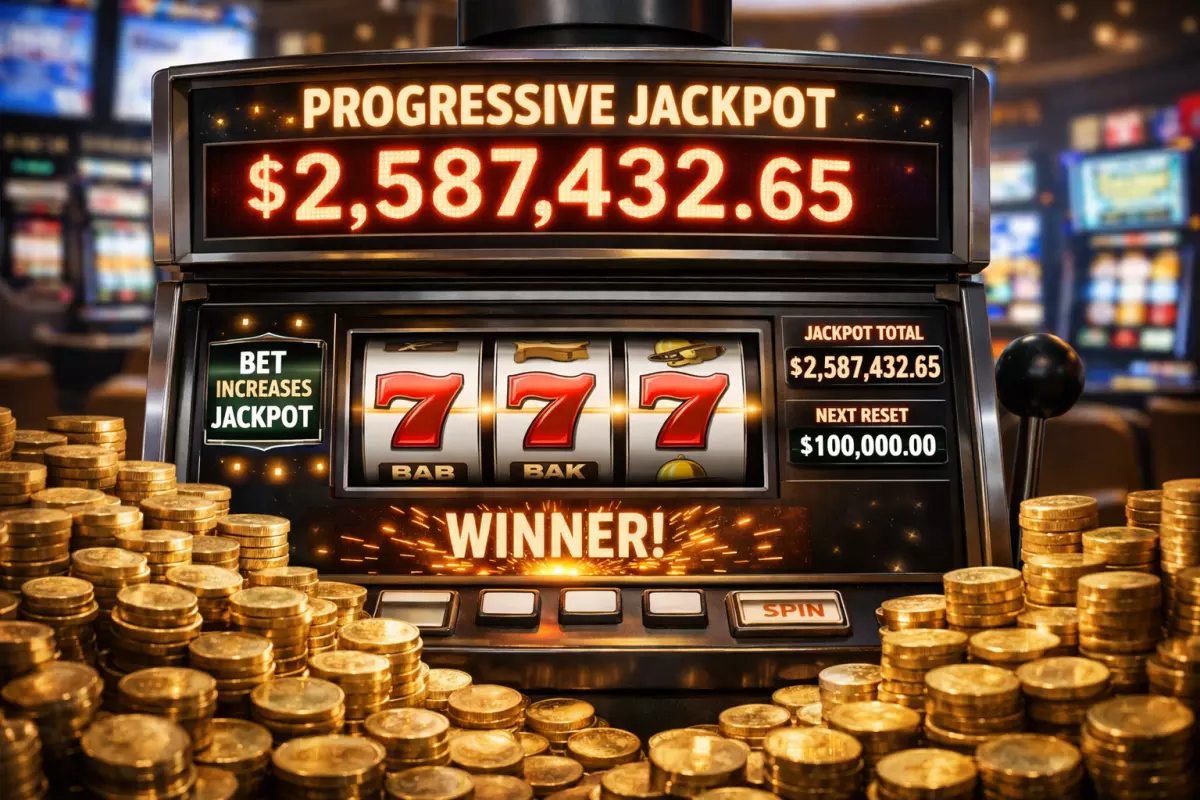
A progressive jackpot slot is a casino game where the top prize doesn’t stay fixed. Instead, it increases over time as people place bets, until one spin triggers the winning combination and the pot resets to a starting amount (often called the seed).
The key idea is pooling. A small portion of each qualifying wager is diverted into a shared jackpot fund, so the payout can grow from hundreds to thousands, and sometimes into life-changing territory. The rest of the bet still goes toward the game’s normal payouts and the casino’s margin, just like in any other slot.
How the jackpot “progresses”
Growth happens automatically in the background. You won’t see an extra button to “add to the jackpot”; the contribution is built into the game rules. Depending on the title, the jackpot may increase only when you bet at or above a minimum stake, or only when you activate a specific feature (for example, a side bet or a max-bet requirement).
- Seed amount: the reset value after a jackpot is won.
- Contribution rate: the portion of eligible bets that feeds the prize pool.
- Trigger condition: what must happen to win (a symbol combo, a bonus round result, or a random trigger).
Standalone vs. networked progressives
Not all growing jackpots are shared the same way. Some are tied to one machine or one online game instance, while others are linked across many players. The bigger the pool of contributing bets, the faster the top prize can climb.
| Progressive type | Where the jackpot is shared | Typical jackpot size | What it means for players |
|---|---|---|---|
| Standalone | One machine (land-based) or one specific online game | Usually smaller | Grows more slowly; easier to track locally |
| Local / banked | A group of machines in the same casino or a limited online lobby | Medium | More contributors than standalone; jackpots rise faster |
| Wide-area / networked | Many casinos or a large online network | Often very large | Fast growth and big headlines; winning is still rare |
| Multi-tier progressive | One game offering several linked jackpots (mini/minor/major/grand) | Ranges from small to very large | More frequent smaller jackpot hits alongside a top-tier prize |
How a progressive jackpot is actually won
Some titles award the top prize through a specific outcome, such as landing certain symbols on a payline or completing a bonus feature. Others use a must-drop or random trigger model, where the jackpot can fall at any time within a defined range once you’re eligible. In both cases, the core mechanic is the same: the jackpot is funded by player wagers and paid out when the game’s rules say it’s hit.
It’s also worth separating the progressive prize from the regular paytable. Even if you never land the growing jackpot, the slot still has standard wins, bonus rounds, and typical volatility patterns—so the progressive element is an added layer, not the entire game.
How progressive jackpots grow
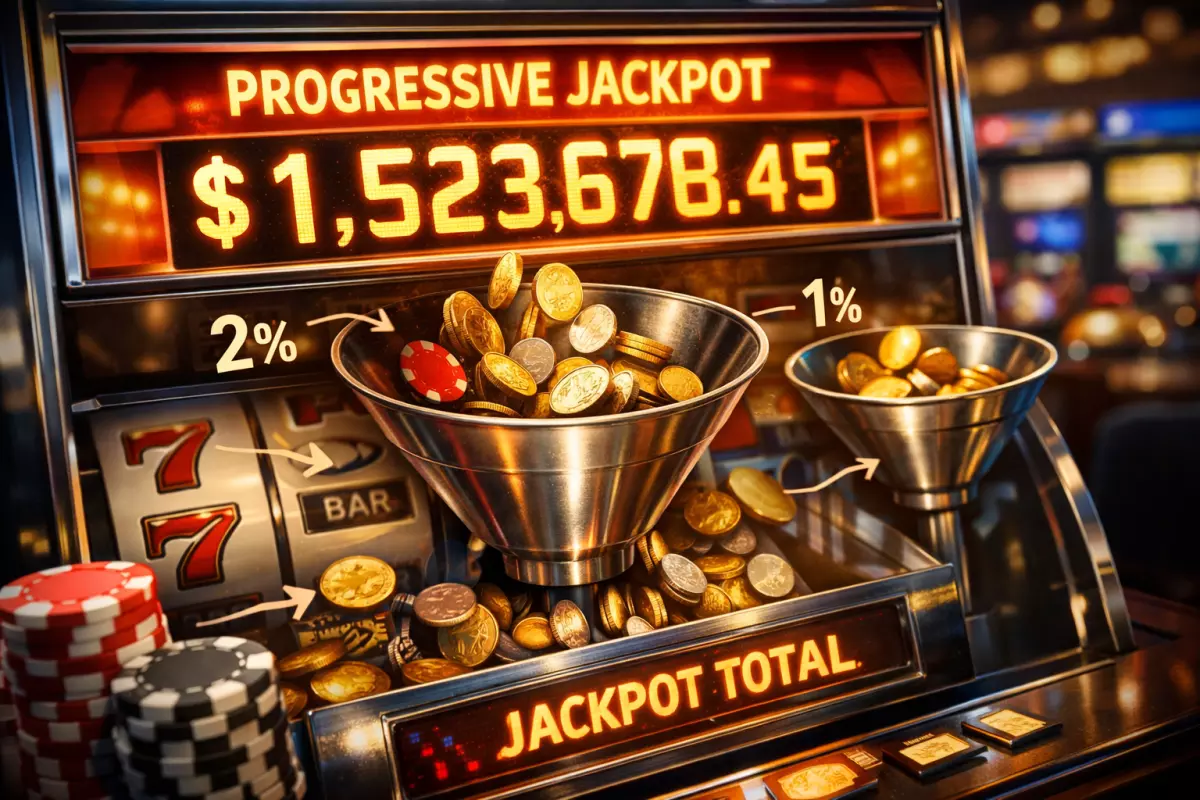
A progressive prize pool increases because a small portion of qualifying wagers is diverted into a shared jackpot meter. Each time someone places an eligible bet, the game (or network of games) adds a predefined contribution to the total, which is why the displayed amount can climb steadily over time.
Where the extra money comes from
The added funds typically come from the game’s overall payout structure. Instead of every cent of a wager being used only for regular wins, a fraction is earmarked for the progressive pot. The exact percentage and rules vary by provider and casino, but the principle is consistent: more qualifying spins mean more contributions.
It’s also common for operators to seed the jackpot with a starting amount. This “base” ensures the meter doesn’t begin at zero and helps keep the prize attractive even right after a win resets it.
What counts as a “qualifying” bet
Not every spin necessarily adds to the jackpot. Many progressive slots require a minimum stake to contribute, and some only allow the top jackpot to be won when you bet at or above a specific level. If you’re below the threshold, you may still play the game normally, but your spin might contribute less, contribute to a smaller tier, or not contribute at all.
- Minimum bet rules: Some games only feed the meter when you meet a certain wager amount.
- Max-bet requirements: In certain titles, the highest jackpot tier is only available at max bet (or near it).
- Tiered progressives: Different bet levels may map to different jackpot tiers, each with its own growth rate.
Why some jackpots grow faster than others
Growth speed depends on how much money is being funneled in and how many people are playing. A busy networked progressive tied to multiple casinos can rise quickly because it collects contributions from a large pool of players. A standalone progressive on a single machine or single online title usually climbs more slowly because fewer spins feed it.
Another factor is the contribution rate set by the game’s design. Two games can have the same traffic, but if one allocates a larger slice of each eligible bet to the progressive meter, its total will increase more noticeably over the same period.
What happens when someone wins
When the jackpot is hit, the progressive amount is paid out and the meter resets to its base (or a predetermined reset value). From there, it starts building again through new qualifying wagers. In a networked setup, the reset happens across the entire linked group, so everyone sees the new starting figure at roughly the same time.
Some games also include multiple progressive tiers (for example, smaller and larger jackpots). In that case, one tier can reset while others continue to accumulate, depending on which prize was triggered.
How players contribute to jackpot pools
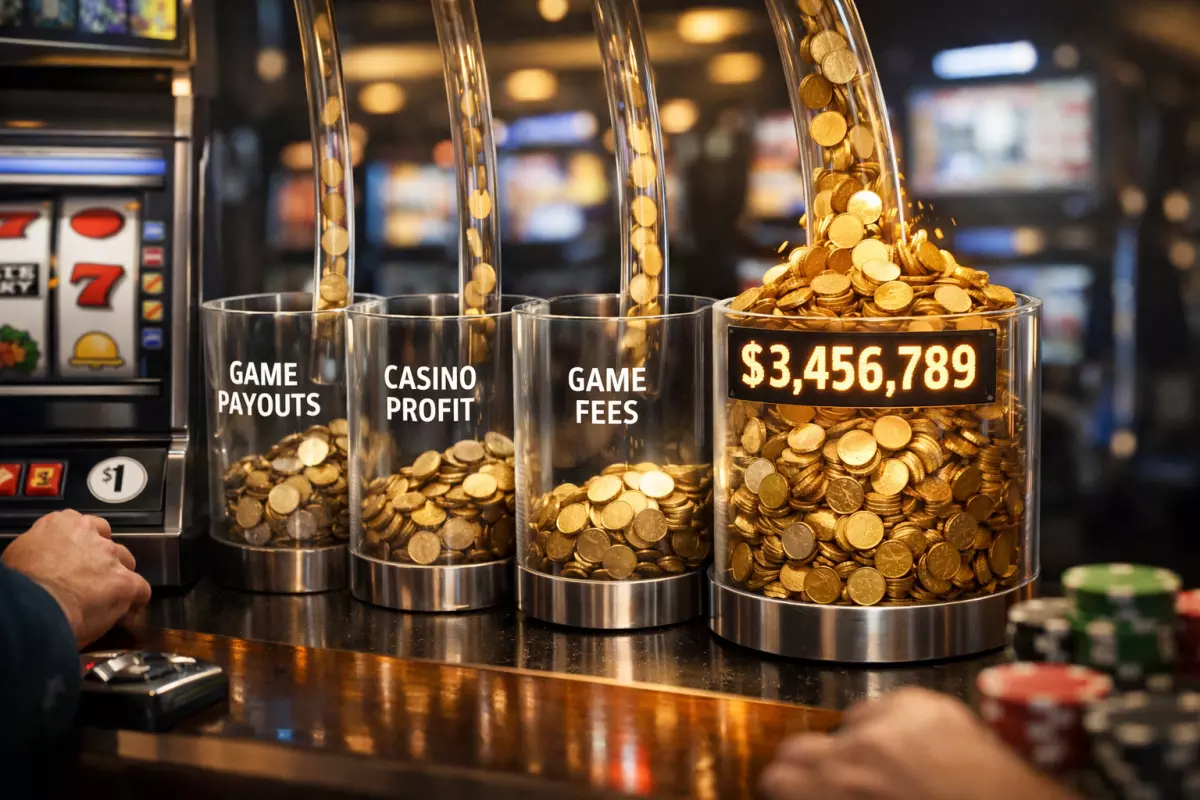
A progressive jackpot grows because a small slice of real wagers is diverted into a shared prize fund. Each time someone spins, the game’s math allocates the bet across several “buckets” at once: the base game payouts, the casino/operator margin, game fees, and the progressive meter.
The key detail is that the contribution is usually a percentage of the total stake, not a flat amount per spin. That means higher bets typically add more to the jackpot, while smaller bets add less. In many titles, the meter can also increase from bonus buys or side bets if they count as eligible wagers, but only if the game rules say so.
What part of your bet goes where
When you place a bet on a progressive slot, the software doesn’t “take” money and then decide later; it instantly splits your stake according to the game’s configuration. The portion earmarked for the jackpot is pooled with contributions from other players (sometimes across multiple casinos, depending on the network). The rest supports normal slot payouts and operating costs.
Because the progressive share is predefined, players aren’t negotiating how much they add. The only lever you usually control is bet size and, in some games, whether you meet the minimum stake required to qualify for the top prize.
Eligibility rules: why some spins don’t qualify for the top jackpot
Many progressive games set a minimum bet or require activating a feature (such as a side bet) to be eligible for the largest tier. If you spin below that threshold, you may still contribute to the meter, but you might only be eligible for smaller jackpots or none at all. The exact rule is game-specific and is typically stated in the paytable or info screen.
- Minimum bet to qualify: common on older-style progressives and some branded titles.
- Feature/side bet requirement: the progressive is tied to an optional add-on; only those wagers count for eligibility.
- All bets qualify: some modern progressives allow any stake to win, with the contribution scaling by bet size.
Local vs. networked pools: where your contribution ends up
Not all progressive jackpots are shared in the same way. A “local” progressive grows only from play on a specific machine, game instance, or casino. A “network” progressive aggregates contributions from many games or venues, which is why those meters can climb faster.
| Pool type | Who contributes | How fast it tends to grow | Typical jackpot size |
|---|---|---|---|
| Standalone (single machine/game) | Players on one specific slot | Slower | Smaller, but can still spike over time |
| Local (single casino/operator) | Players within one casino or one online site | Moderate | Mid-range progressives |
| Wide-area / networked | Players across multiple casinos/sites on the same network | Faster | Larger, headline-style jackpots |
| Multi-tier progressive | Players feeding several jackpot levels at once | Varies by tier (lower tiers reset more often) | Mix of frequent smaller wins and rare top prizes |
Seed amounts and resets: why the meter doesn’t go to zero
After a progressive hits, it usually resets to a predefined seed (a starting value funded by the operator/provider, prior contributions, or both). From there, new wagers rebuild the jackpot. This reset mechanism keeps the prize attractive immediately after a win and ensures the meter can start growing again without waiting for long periods.
In practice, your spins help push the meter upward whether it’s near the seed or already large. What changes is the size of the pool you’re feeding (local versus networked) and whether your stake meets the game’s eligibility conditions for the top tier.
Types of progressive jackpots
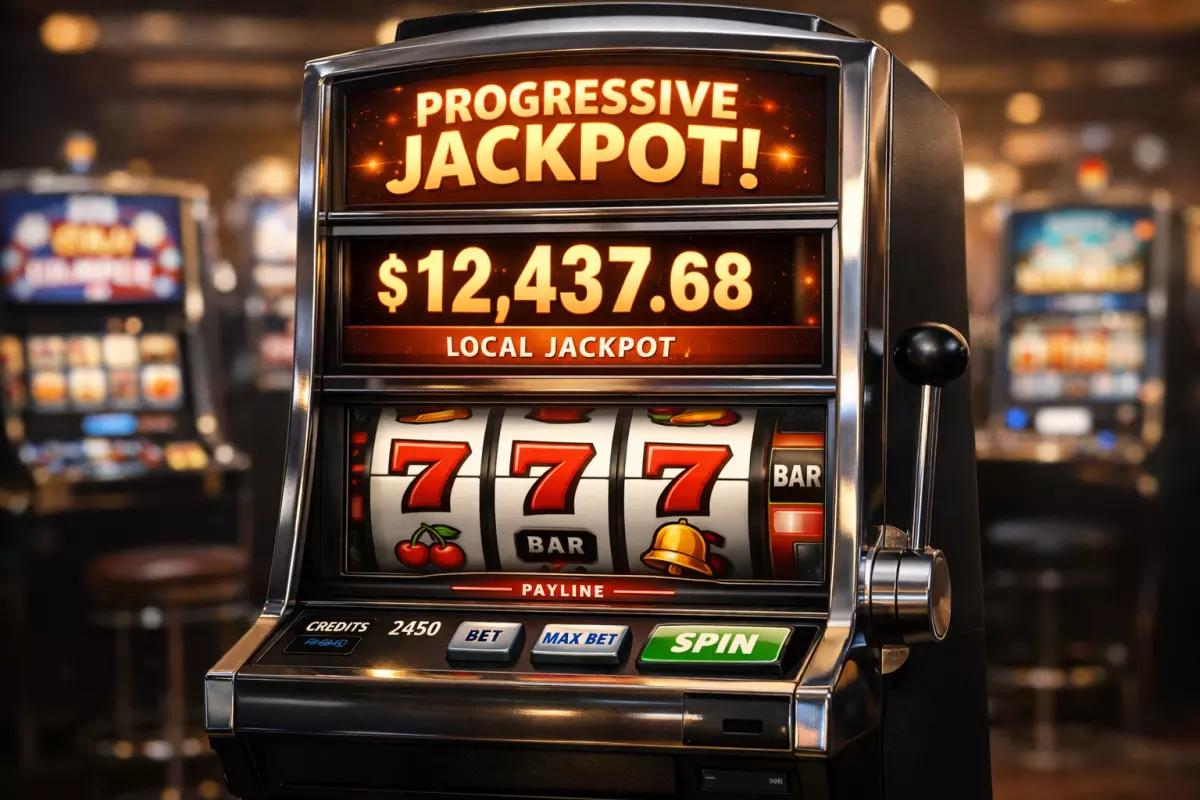
Progressive slot prizes don’t all grow in the same way. The key differences come down to where the prize pool is shared, how it can be triggered, and whether the top prize is fixed or can keep climbing. Understanding these categories helps you judge volatility, hit frequency, and what you’re really “competing” against.
Standalone (local) progressives
A standalone progressive is tied to a single machine or a single online game instance. Only bets placed on that specific game feed the growing jackpot, so the total usually increases more slowly than networked versions.
This format can be easier to understand: one game, one meter, one eventual winner. Because the pool is smaller, the top prize is often lower, but the jackpot may be hit more often than massive networks.
In-house progressives (casino-wide)
In-house progressives connect multiple games within the same casino brand or platform. Every qualifying wager across that “closed” group contributes to the same pot, so the jackpot grows faster than a standalone one.
These jackpots sit in the middle ground: bigger than local progressives, but typically not as huge as wide-area networks. They can also appear across different themes or studios, as long as the operator has linked them under one shared prize.
Networked / wide-area progressives
Networked progressives pool contributions from many casinos or many sites running the same jackpot network. Because so many players are feeding the meter at once, the prize can climb quickly and reach the headline-grabbing amounts people associate with progressive slots.
The trade-off is that you’re effectively sharing the race with a much larger player base. The jackpot can drop at any moment when someone hits it, then reset to its seed value and start building again.
Must-drop (must-hit-by) progressives
A must-drop progressive has a guaranteed payout range. The jackpot will trigger before it reaches a stated ceiling (for example, it might “must drop” by a certain amount), even if no one lands the exact winning combination earlier.
This structure changes the rhythm of play: as the meter approaches the upper limit, the jackpot becomes more likely to fall soon. It doesn’t mean it’s “due” on your next spin, but it does mean the game is engineered so the prize cannot climb indefinitely.
Fixed-trigger vs. random-trigger progressives
Some progressive jackpots are won by hitting a specific outcome (a fixed trigger), such as a particular symbol combination or a bonus feature that clearly states the requirement. Others use a random trigger, where any qualifying spin can award the jackpot regardless of what appears on the reels, provided you meet the bet rules.
Random-trigger designs often feel more like a background draw running behind the scenes, while fixed-trigger designs are more transparent about what you’re aiming for. In both cases, the game’s rules decide what counts as a qualifying wager.
| Type | Where the pool is shared | Typical jackpot size | Common player takeaway |
|---|---|---|---|
| Standalone (local) | One game or one machine | Small to medium | Simpler to track; often hits more frequently than large networks |
| In-house (casino-wide) | Multiple games within one operator | Medium to large | Faster growth than local; still limited to one brand’s traffic |
| Networked / wide-area | Many casinos/sites in a shared network | Large to very large | Biggest prizes; resets can happen anytime because someone else may hit it |
| Must-drop | Depends on the network (local or pooled) | Variable, capped by a “must hit by” ceiling | As the meter climbs toward the cap, a drop becomes more likely soon |
| Fixed-trigger vs. random-trigger | Depends on the game’s design | Varies widely | Fixed is outcome-based; random can award on any qualifying spin |
Before you play, check the paytable or info panel for two practical details: whether the progressive requires a minimum bet to qualify, and whether the jackpot is tied to a specific feature or can trigger randomly. Those small rules often matter more than the theme when you’re trying to understand how a progressive jackpot slot behaves.
How progressive jackpots are triggered
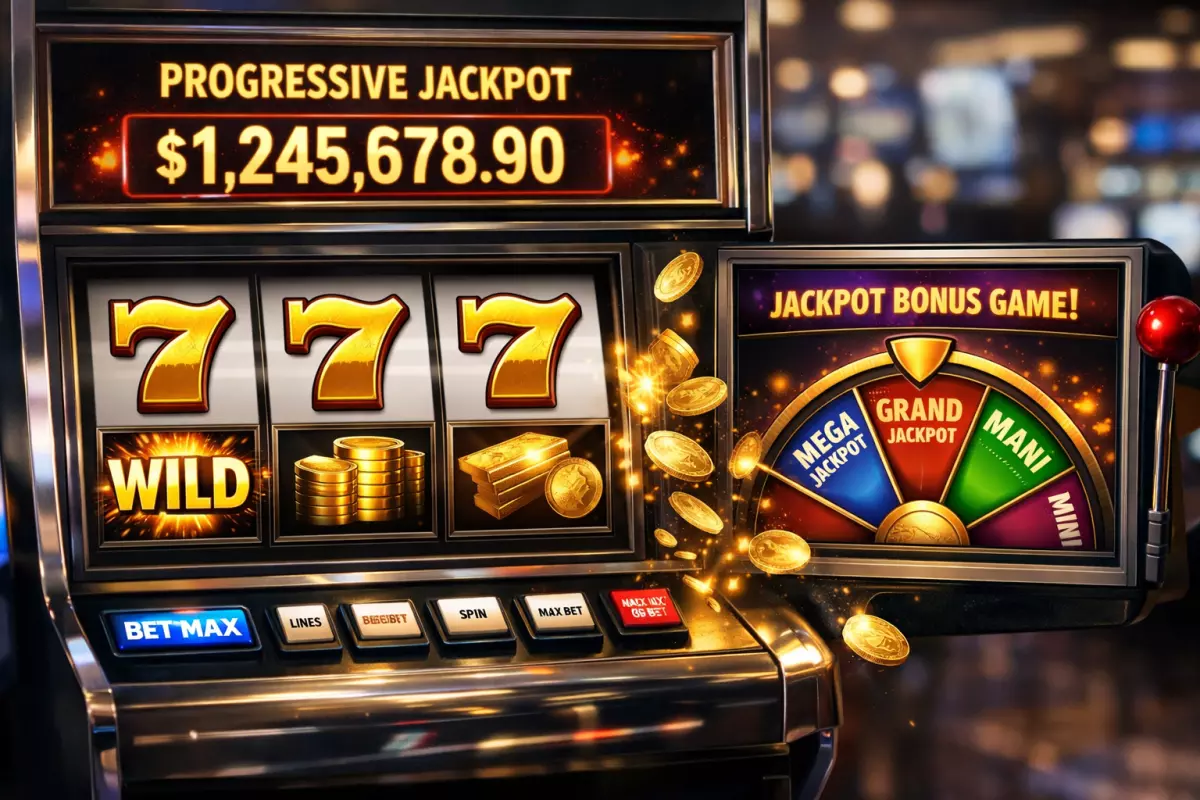
A progressive prize is paid out when the game detects a specific “qualifying” event. That event depends on the slot’s rules: sometimes it’s a rare symbol combination, sometimes it’s a bonus feature, and in some networks it can be a separate jackpot mini-game that runs after a normal win. The important detail is that the trigger is defined in the game math and enforced by the software, not by timing or manual decisions.
Most titles also set eligibility conditions, such as a minimum bet or a required number of paylines. If you spin below that threshold, you can still win regular payouts, but the progressive pool may be locked for that spin. Always check the paytable or info screen for the exact qualifier, because it varies by game family and provider.
Common trigger models you’ll see
Slots generally use a handful of patterns to decide when the growing pot is awarded. These models can exist alone or be combined (for example, a bonus round that requires a minimum stake to qualify for the top tier).
- Random (RNG) trigger: any eligible spin can award the jackpot, regardless of the symbols shown, because the random number generator can select the progressive outcome behind the scenes.
- Symbol/combination trigger: the top prize hits only when a specific set of symbols lands (often on a payline or in a defined “ways” pattern), usually at very low frequency.
- Bonus-feature trigger: you must enter a bonus round (free spins, pick-and-click, wheel) and then hit the progressive inside that feature.
- Must-hit-by (cap) trigger: the jackpot is guaranteed to pay by a displayed maximum value; it can drop earlier, but it cannot exceed the cap without awarding.
- Tiered trigger: multiple jackpot levels (mini/minor/major/grand) have different probabilities and sometimes different bet requirements.
Bet requirements and “eligible spins”
Progressive systems often treat spins as eligible only if they meet certain stake settings. A common rule is “max bet to win the grand,” but modern online slots may instead require a minimum total bet (for example, $0.50 or $1.00) to activate the highest tier while still allowing smaller tiers at lower stakes.
When a minimum bet applies, it doesn’t change the randomness of outcomes; it changes whether the jackpot outcome is allowed to be paid on that spin. If the progressive is triggered on an ineligible spin, the game will typically substitute a different award or simply not allow that trigger to occur at all, depending on the design.
Local progressive vs. networked progressive triggers
Some progressives are “local,” meaning the pot belongs to a single game instance (or a single casino). Others are “wide-area” or networked, where many games feed the same pool. The trigger logic is still handled by software, but the accounting and award process differs: a networked jackpot requires secure synchronization so that only one eligible spin across the entire network can claim the prize.
| Trigger setup | Where the jackpot pool comes from | Typical impact on hit frequency | What players usually notice |
|---|---|---|---|
| Local progressive | One machine/game instance (sometimes one casino) | Often higher than wide-area, but varies by game | Smaller top prizes; jackpot amount grows based on that local play |
| Casino-wide progressive | Multiple games within one operator’s environment | Moderate; depends on how many games contribute | Jackpot rises faster during busy periods at that operator |
| Networked (wide-area) progressive | Large network of games across many sites/locations | Often lower per spin, with much larger prizes | Very large headline amounts; wins are rarer but can be life-changing |
| Must-hit-by progressive | Any of the above, but with a cap mechanic | Higher near the upper limit because a payout becomes unavoidable | A displayed “must drop by” value that creates a clear ceiling |
What actually happens when the jackpot hits
When the qualifying event occurs, the game confirms eligibility (bet level, rules, session state), locks the progressive amount, and then awards it. In networked systems, the jackpot server typically reserves the pot first to prevent duplicate wins, then the game displays the win animation and credits the payout. This is why you may see a brief pause or a “verifying win” moment on some titles.
One last nuance: the trigger probability is baked into the game’s return model. A larger progressive doesn’t mean it’s “due,” and a long dry spell doesn’t make the next spin more likely. The only exception is a must-hit-by design, where the chance effectively increases as the meter approaches the cap because the system must award before crossing it.
Odds of hitting a progressive jackpot
The chance of landing the top prize on a progressive slot is usually extremely small, because the game is designed to pay that headline amount only on rare, high-variance outcomes. In most titles, the jackpot is triggered by a specific symbol combination, a bonus feature result, or (in some systems) a random “must-hit-by” style event.
What matters is that the progressive payout sits on top of the regular paytable. You can still win standard line wins and bonuses at normal frequencies, while the jackpot itself behaves like a low-probability event that may take a very long time to occur.
Why progressive jackpots are so hard to hit
The jackpot is funded by a small contribution from many spins, so the game can afford to award a very large amount only when the triggering event is rare. Designers typically balance this by making the jackpot condition one of the least frequent outcomes in the math model.
Variance is the practical result: you may see lots of losing spins, occasional small-to-medium wins, and only a tiny chance of the progressive trigger. Two games can have the same RTP but very different jackpot hit rates, depending on how much of the return is “stored” in rare, big outcomes.
What actually determines your probability
There isn’t one universal number, because the hit rate depends on the specific slot and how its progressive feature is implemented. Some games publish a jackpot “odds” figure (often described as 1 in X), while others don’t disclose it at all.
Common factors that influence the likelihood include:
- Trigger type: fixed combination (e.g., specific symbols) versus random trigger within a feature.
- Jackpot tier: mini/minor prizes typically hit more often than major/grand tiers.
- Bet eligibility rules: some progressives require a minimum stake or max bet to qualify for the top tier.
- Game volatility: higher volatility models usually concentrate more value in rarer events.
- Network size: wide-area progressives can grow quickly due to many players contributing, but that does not automatically mean the top prize is easier to hit.
Bet size and “qualifying” for the jackpot
Increasing your stake rarely changes the underlying probability of the jackpot event itself unless the rules explicitly tie eligibility to bet level. More commonly, a higher bet simply means you contribute more per spin and, if you do win, the payout may scale (or you may only be eligible for the grand jackpot at or above a stated threshold).
Before playing, check the paytable or info screen for wording like “bet X to qualify” or “max bet required.” If that condition exists and you play below it, your effective chance of winning the top progressive is zero, even though you can still win other prizes.
Why “due” jackpots are a myth
It’s tempting to think a big pot that hasn’t dropped in a while is more likely to pay soon. In most modern slots, each spin is independent, so past results don’t make a future jackpot more or less likely. A growing meter reflects more contributions, not a guarantee that the next spin is “closer.”
The one exception is a true must-hit-by mechanic, where the jackpot is guaranteed to drop before a displayed ceiling amount. Even then, the exact timing is still random within that range, and you can’t assume it will happen on your next few spins.
How to think about the odds in practical terms
A useful way to frame progressive jackpot probability is to separate “chance” from “cost.” The chance per spin may be tiny, and the expected time to hit can be far longer than a typical session. That doesn’t mean you can’t win; it means you should treat the top prize as a long-shot outcome and choose stakes you can comfortably sustain.
If you want a more grounded comparison between games, look for published hit frequency for jackpot tiers (when available), read the rules on eligibility, and consider whether you prefer a lower top prize that hits more often or a larger grand jackpot that is much rarer.
Famous progressive jackpot slots
Some progressive games became well-known because they combine a simple base slot with a jackpot meter that can grow to life-changing amounts. While the exact figures and availability depend on jurisdiction and casino network, the titles below are widely recognized examples of how pooled jackpots can scale far beyond normal paytables.
Network progressives that built a reputation
Mega Moolah is often cited as a classic example of a networked progressive. A portion of wagers across many casinos contributes to shared jackpot tiers, so the top prize can climb quickly. It’s also a good illustration of how a progressive can be layered on top of a relatively straightforward slot: the base game pays normally, and the jackpot component is triggered through a separate feature.
Hall of Gods is another long-running network progressive that shows the same core mechanics: many players, many sites, one shared pot. The key takeaway for readers is that the “fame” here isn’t about special odds—it’s about scale. The larger the network, the easier it is for the meter to reach eye-catching totals before someone hits it.
Divine Fortune is known for offering multiple progressive tiers, usually including smaller jackpots that drop more frequently than the top prize. This structure is common in progressive design: casinos can advertise a headline amount while still letting players see regular jackpot wins at the lower tiers.
Arabian Nights is frequently mentioned among older, high-profile progressive titles. It’s a useful reference point because it demonstrates that progressive jackpots aren’t a new invention; they’ve been used for years to add a “shared prize pool” layer to otherwise standard slots.
Land-based icons and wide-area progressives
Megabucks is a well-known example from brick-and-mortar casinos, historically associated with wide-area progressives (WAPs). In a WAP setup, multiple machines across many venues feed the same jackpot. The important practical detail is that the jackpot size is driven by network breadth and coin-in volume, not by any single casino’s traffic.
Wheel of Fortune (progressive versions) has appeared in many casino formats, sometimes as a linked jackpot product. Branded progressives like this highlight another common approach: pairing a familiar theme with a jackpot network to keep the rules approachable while the prize pool grows in the background.
Quick comparison: what these examples typically represent
| Game title (example) | Typical progressive setup | What it illustrates about how progressives work |
|---|---|---|
| Mega Moolah | Online network progressive with multiple tiers | Shared contributions across many casinos can push jackpots to very large totals |
| Hall of Gods | Online pooled jackpot | “Famous” often means a large network and long history, not different hit rates |
| Divine Fortune | Tiered progressives (mini/minor/major/grand) | Lower tiers can pay more often, while the top tier grows for longer |
| Megabucks | Land-based wide-area progressive | Linking machines across venues increases jackpot growth potential |
| Wheel of Fortune (progressive variants) | Branded slot with linked jackpot in some deployments | Brand recognition plus a pooled prize can make the format easy to understand |
One practical note: even when two casinos show the same progressive title, they may not always be on the same jackpot network. The only reliable way to tell is the displayed meter and the game’s information panel, which usually indicates whether the jackpot is local (one casino), networked (many casinos), or wide-area (many venues).
Finally, remember that a bigger progressive jackpot doesn’t automatically mean better value. The base RTP, the jackpot contribution rate, and the trigger conditions (random, feature-based, or must-hit-by) determine how the game behaves in the long run—while the headline number mainly reflects how long it has been since the last top-tier win.
Tips for playing progressive jackpot games
Start by treating these slots as high-variance entertainment rather than a reliable way to build a bankroll. A progressive prize can be life-changing, but the trade-off is usually a lower hit frequency and bigger swings in results compared with many standard games.
Pick the right type of progressive for your goals
Different networks grow differently. A local progressive (tied to one machine or one casino) typically climbs slower but may be hit more often than a wide-area network jackpot shared across many sites. If you want more frequent smaller “big wins,” a local or smaller network can be a better fit; if you’re chasing the largest top prize, wide-area progressives are where the eye-watering numbers come from.
Check the rules that affect eligibility
Before you spin, confirm what qualifies a wager for the top prize. Some games require a minimum bet, specific coin value, or all paylines active to be eligible for the progressive jackpot. If you’re betting below the threshold, you might still win regular payouts but be locked out of the headline prize.
- Look for a stated minimum bet requirement for the top jackpot.
- Confirm whether side bets or bonus features must be enabled.
- Verify if the prize is awarded via a random trigger or only through a specific bonus round.
- Check whether the game has multiple progressive tiers and how each tier is won.
Use RTP and volatility as a quick reality check
Progressive slots often divert a small portion of each stake to the jackpot pool, which can influence the base game return. If the RTP is published, compare it to other slots you play and decide whether the “jackpot premium” feels worth it for your budget. Also pay attention to volatility: a very high-volatility progressive can be fun, but it can drain a balance quickly if you’re underbankrolled.
Set a bankroll and session limits that match the variance
Decide your maximum loss for the session and stick to it, because long dry spells are normal in jackpot-focused games. A practical approach is to size your bet so you can afford a meaningful number of spins without needing to reload immediately; this gives the bonus mechanics time to show up without turning the session into a short all-in gamble.
Don’t “chase” a growing meter without context
A rising jackpot amount can be tempting, but it doesn’t automatically mean the game is “due” to pay. Some progressives are purely random, and others have a hidden or published must-hit-by range. If a must-hit-by value is shown, it can be sensible to pay attention to how close the current total is to that cap; if there’s no such range, assume the next hit could happen at any time.
Understand how bonuses and progressive triggers work
Many titles award the progressive through a separate feature (wheel spin, pick-and-click, or bonus ladder) rather than through the main paytable. Knowing the trigger conditions helps you avoid false expectations, such as assuming any big line win can become the jackpot. Read the in-game info panel so you know whether the top prize is a rare outcome inside the bonus or a standalone random event.
Keep expectations grounded and track your play
Progressive jackpots are designed to be rare. If you enjoy the chase, consider tracking session length, total stake, and bonus frequency so you have a clearer sense of how the game behaves for you. This won’t predict the next win, but it can help you choose stakes and titles that fit your risk tolerance.